The advice designers keep hearing now is to push all of the execution to AI and spend their own hours on taste, intuition and attention. Intelligence is cheap and abundant, the argument goes, so judgment is the only thing left worth bringing.
I've spent about a year working close to that model, in public, on this site. Most of it matches what I see. One assumption doesn't: that taste is a reserve you can keep drawing on without doing the work that maintains it.
Making stopped being the hard part
That half I'd sign. The 3D graph on my lab page is on its third version; the first two were built, judged on screen, rejected and archived at a git tag, which I wrote about in the piece on directing AI. Throwing away two finished builds used to be a decision you escalate. Now it costs an afternoon, and the hard part is not getting attached.
What changed most in my week was how many things I can keep open at once: a delivery product, an embedded seat on a client's growth team, this site and a public repository of my own tools. The limit had never been making things. It was keeping track of them: where each project stood, what I had promised and which version the client actually had. Once that bookkeeping lived in written procedures and one record per engagement, it stopped capping me.
Every real improvement in my output this year came from asking better, not from the model getting better. The models did improve. They weren't the bottleneck.
Taste is a calibration
The part aimed at designers is where I part ways. Two failures on this site show why.
For months, every blurred image placeholder, the low-resolution preview that fills an image box while the real file loads, was broken. The generator glued a data: prefix onto a string that already had one, and the browser silently declined all thirty-six of them. Pages felt slightly emptier than they should while you scrolled, which is not something anyone files a bug about.
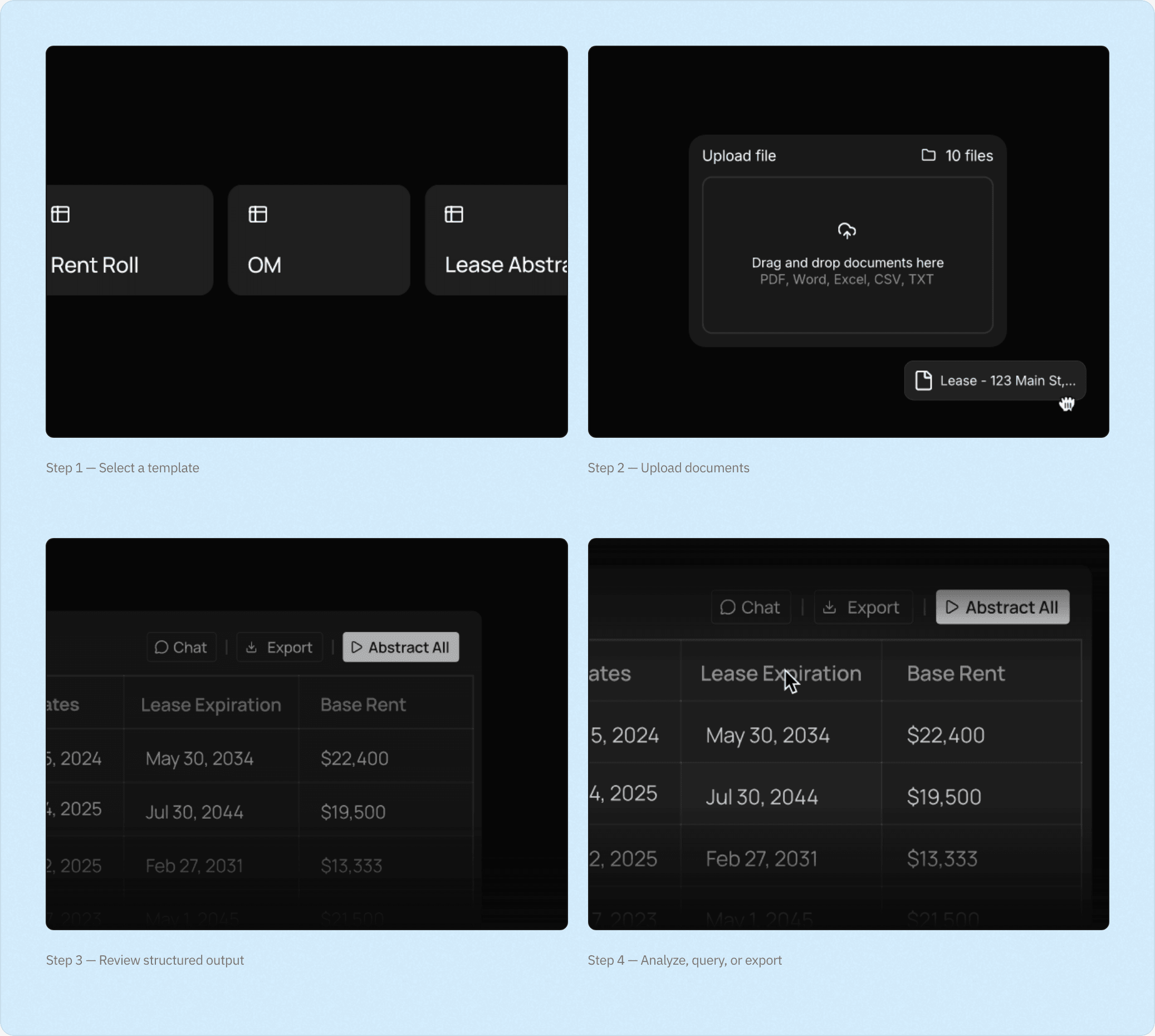
The second was louder in effect and just as quiet in the logs. My development and production servers don't send the same content-security policy, and a Lottie player I had embedded used a loader that development allowed and production refused. Four live animations on a case study went out as blank rectangles while every local check passed.
Both were catchable. A check against the deployed page under the production policy would have found the second, and I run one now. But writing that check needs the suspicion first: knowing that a development server relaxes its policy, and that an image can fail without raising anything. Those are facts about a material, and I know them because I have worked in that material, not only reviewed output from it.
AI-built work fails quietly. An error is loud. Wrongness renders, ships and sits there looking finished, and catching it takes suspicion about one specific material.
That is what I mean by taste being perishable. It isn't a vault you draw from. It is a calibration, and calibration drifts when nothing you personally touch corrects it. Delegate every last piece of execution and your taste holds for as long as the domain holds still. Then one day you are approving work you can no longer evaluate, and nothing about that day announces itself either.
Breadth follows judgment
AI extends me where I can already tell good from bad quickly. Nowhere else.
The typography on this site took six rounds of prototypes across two months. Almost every reaction I had turned out, once measured, to have a cause other than the obvious one: the face I thought was too small was too dense, and the one I thought was unfamiliar set at the same width as the familiar one. Generating more candidates would not have shortened that. The work was building enough calibration to choose between them.
Ask for breadth in a domain where you can't evaluate the answer and you get volume, plus a confident tone that makes the volume harder to check. That is why TasteLed, where a structured brief becomes a built site, keeps two human gates: I review every specification before it builds, and the client approves the staged site before launch. Those are the two points where the pipeline's confidence and mine can come apart.
The limit moved to deciding
Take away the production work and what's left is deciding, all day. That is a different kind of tired. Making has a rhythm, and some of its hours are quiet. Deciding has no quiet hours: every thread comes back holding something that needs a verdict, and the threads don't take turns.
So the ceiling moved rather than disappeared. It used to be hours. Now it is how many things I can understand well enough to hold a real opinion about, and that number does not rise when the models improve.
Delegate the typing, keep the domain
My version of the advice is narrower. Delegate the work, then verify enough of it by hand that the verification still means something.
The ratio keeps moving. There is more delegation this year than last, and I expect that to continue. What can't go to zero is the part where I open the real thing and check it against what it was supposed to do. I don't write React to be fast at writing React. I stay near the material so my questions about it stay specific, because that is the maintenance schedule for the only thing I am bringing to the work.